When I started Lady in Learning, I received a comment that made me stop and think. The commenter challenged me to define social media. It was a fair question, especially since I was writing about it without really stopping to consider how I would define it.
I think social media is more than a collection of platforms where businesses post content and hope people respond. At its best, it is a way to connect with people, build relationships, and invite an audience to become part of an experience. Rather than trying to define social media in one sentence, let’s look at what it can actually do. And what better place to start than with The Voice television show?
Here is something interesting: I have never actually watched The Voice. Yet, through its social media presence, I recognize its brand and understand what it represents. That tells me something about the power of a well-developed digital marketing strategy.
When The Voice launched in 2011, social media was already part of its plan. NBC introduced an online correspondent and a feature called the V-Room, where contestants could connect with fans after their performances. Viewers were also given opportunities to interact with the coaches and influence decisions during the competition. Social media wasn’t simply being used to promote the show; it was becoming part of the show itself (Ng, 2011).
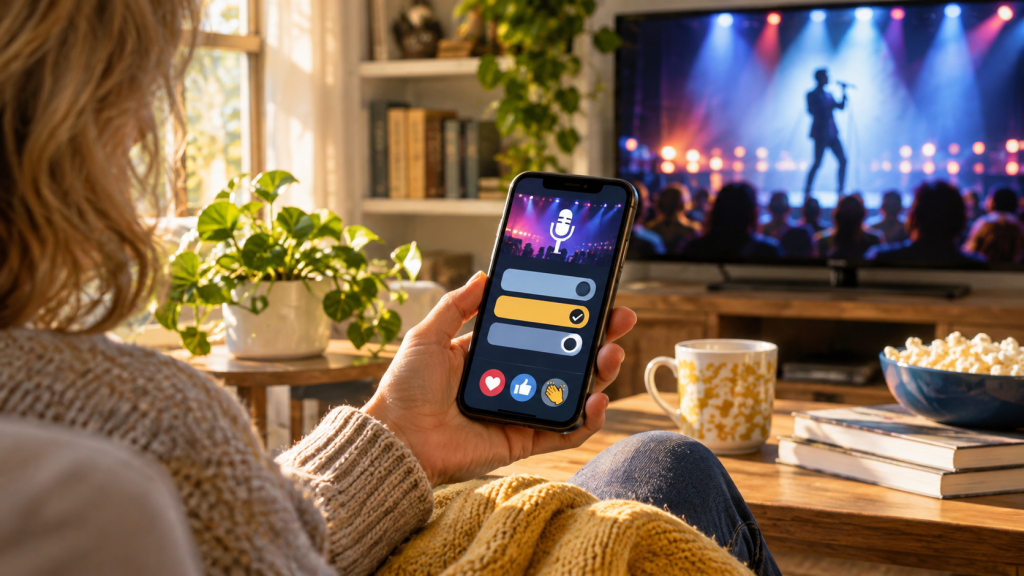
The strategy continued to evolve. One of the strongest examples came in 2015 with the show’s Integration with Live Television campaign. Through features such as the Instant Save, viewers could tweet to help save an artist from elimination, with the results appearing on television in real time. The show also incorporated fan-created content, backstage videos, social media conversations, and interactive campaigns. On December 8, 2015, 282,900 people sent 1.4 million tweets about the show. That’s a tremendous amount of participation, and it demonstrates how the show turned viewers into active participants rather than passive observers (Shorty Awards, n.d.).
From a marketing perspective, I think this is where The Voice really understood its audience. People don’t just want to watch something they enjoy. They want to feel connected to it. They want their opinions to matter, to support their favorite contestants, and to feel that they are part of the experience. By giving viewers a voice, the show created an emotional investment that could extend beyond a single episode. What I find particularly interesting is that The Voice did more than build a relationship with its digital followers. It gave them a role to play in the production of the experience. Through voting, social media campaigns, fan-created content, and opportunities to interact with contestants and coaches, viewers became something more than an audience. In a way, they became associate producers of the experience, helping influence the direction of the competition and how the show connected with its fans. I think that distinction matters. When a brand gives its audience a role, it gives them a sense of ownership. They aren’t simply watching something unfold; they’re helping shape it. That makes people feel important, valued, and almost credentialed as part of the production. It creates a much deeper relationship with the brand than simply asking someone to follow a page or like a post.
That approach continues today. In its 30th season, The Voice has expanded its digital strategy through partnerships with TikTok and Betches, additional ways to vote, creator access to behind-the-scenes content, and live broadcasts on both NBC and Peacock. These efforts give audiences more ways to engage with the show and reach viewers who may not follow traditional television programming (NBCUniversal, 2026a; NBCUniversal, 2026b).
I actually think The Voice has done a good job of making its digital media experience efficient. Rather than limiting engagement to one platform, the show meets viewers where they already spend their time and gives them different ways to participate. Whether someone wants to vote, follow a contestant, watch behind-the-scenes content, or interact on social media, there are opportunities to be involved. I wouldn’t necessarily change that approach. Instead, I would continue building on it, making sure the different platforms work together to create a consistent experience for viewers.
Of course, inviting an audience to participate also comes with responsibility. Businesses should remember that engagement comes with responsibility. If a brand encourages people to share photos, videos, opinions, or personal stories, it should be transparent about how that content may be used. Participation should be voluntary, privacy should be respected, and digital experiences should be accessible to people with different needs. Building a relationship with an audience means treating that audience with respect.
Would I change anything about The Voice’s branding? Honestly, no. I think the show has succeeded in creating an emotional connection with its viewers. It makes people feel that their viewership is important, that their opinions matter, and that they are part of something beyond simply watching a television program. That connection creates loyalty, and loyalty has business value. An engaged audience makes a brand more attractive to advertisers because it offers more than viewers; it offers an audience that is emotionally invested in the entertainment. That helps build brand value and creates opportunities for the network to generate advertising revenue.
I still haven’t watched The Voice. But I can recognize what the brand represents, and that’s a pretty interesting result for a marketing strategy built around making the audience part of the story.
Maybe that’s the point: the strongest brands don’t just talk to their audiences. They make their audiences feel like they belong.
What is a brand that makes you feel like more than just a customer? Have you ever felt that your participation actually mattered to a company or entertainment brand? I’d love to hear your examples.
Until next time, friends, happy scrolling.
References
NBCUniversal. (2026a, September 17). NBC’s The Voice returns for a landmark season 30 with a three-night premiere event starting Monday, Sept. 21 at 8 P.M. ET/PT. https://www.nbcuniversal.com/article/nbcs-voice-returns-landmark-season-30-three-night-premiere-event-starting-monday-sept-21-8-pm-etpt
NBCUniversal. (2026b, November 4). How NBC’s The Voice continues to connect with audiences after 30 seasons. https://www.nbcuniversal.com/article/voice-turns-30
Ng, P. (2011, March 28). ‘The Voice’ to have strong social media component. The Hollywood Reporter. https://www.hollywoodreporter.com/tv/tv-news/voice-have-strong-social-media-171915/
Shorty Awards. (n.d.). The Voice: Integration with live television. https://shortyawards.com/8th/the-voice-3
AI Use Disclosure
I used ChatGPT to help organize my ideas, refine my writing, and review the flow of this blog post. The analysis, opinions, and final decisions about the content reflect my own perspective.


